Free Functions of the Liver revision notes for OCR A Level Biology – covering specification point 5.1.2 (bi).
The Liver
The liver is the largest internal organ in the human body, located in the upper right of the abdominal cavity, just beneath the diaphragm.
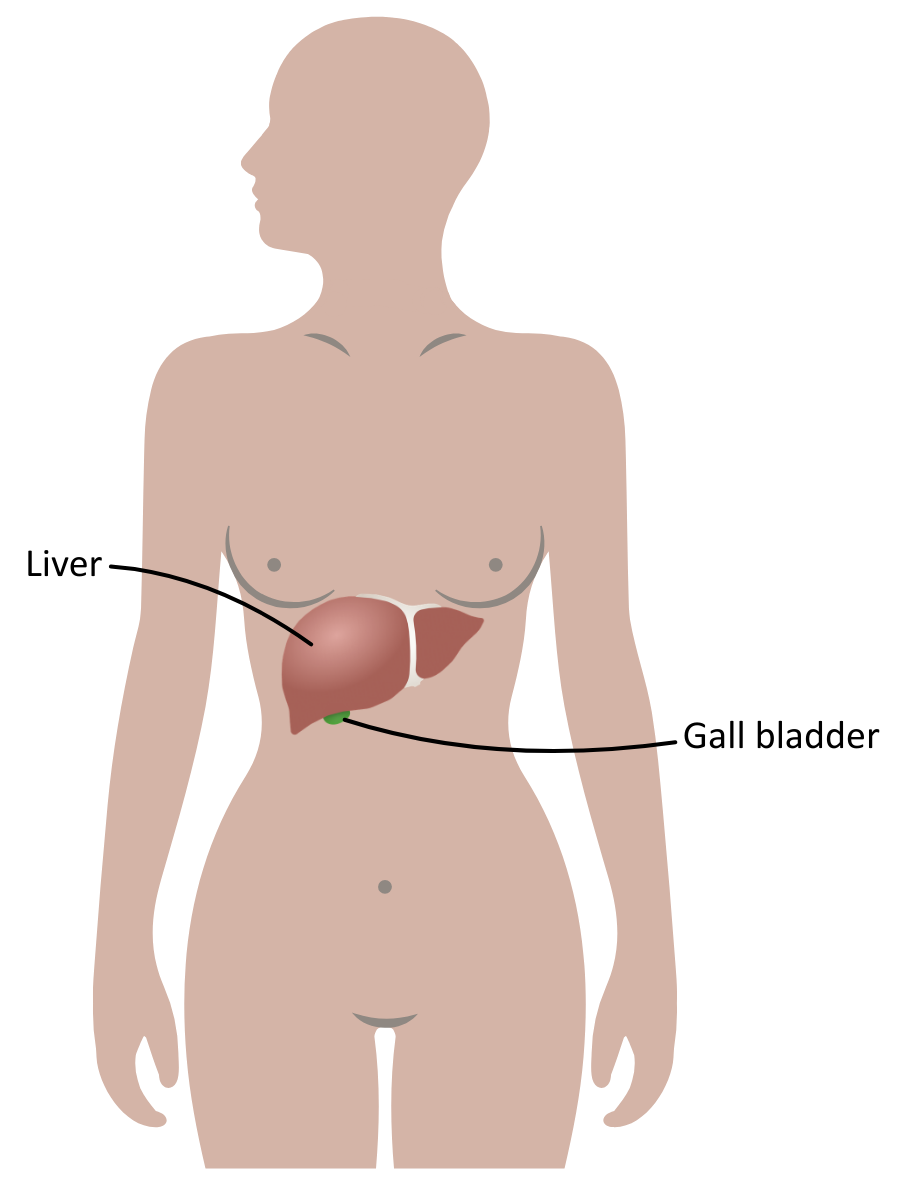
The liver minimises potentially harmful changes in blood composition when nutrient* levels fluctuate, toxins are absorbed, or metabolic wastes are produced, contributing to an optimal internal environment.
The main roles of the liver are:
- Storage of glycogen and the regulation of blood glucose concentration.
- Detoxification of harmful substances such as alcohol and drugs.
- Detoxification of ammonia by converting it into urea in the ornithine cycle.
*A note on the word nutrient. It is vague, general and all-encompassing – appropriate for the varied functions of the liver, but rarely appropriate to be used in an exam response.
Storage of Glycogen
The liver contributes to the homeostatic control of blood glucose concentration by acting as an effector; it can increase or decrease blood glucose levels in the blood in response to pancreatic coordination.
The liver stores excess glucose as glycogen when blood glucose levels are too high.
The conversion of glucose into glycogen is controlled by the release of insulin from the pancreas.
When blood glucose levels are too low, glycogen is broken down into glucose, which is controlled by the release of glucagon from the pancreas.
Detoxification
The liver protects the body from toxic substances that could disrupt enzyme-driven metabolism or cause cellular damage.
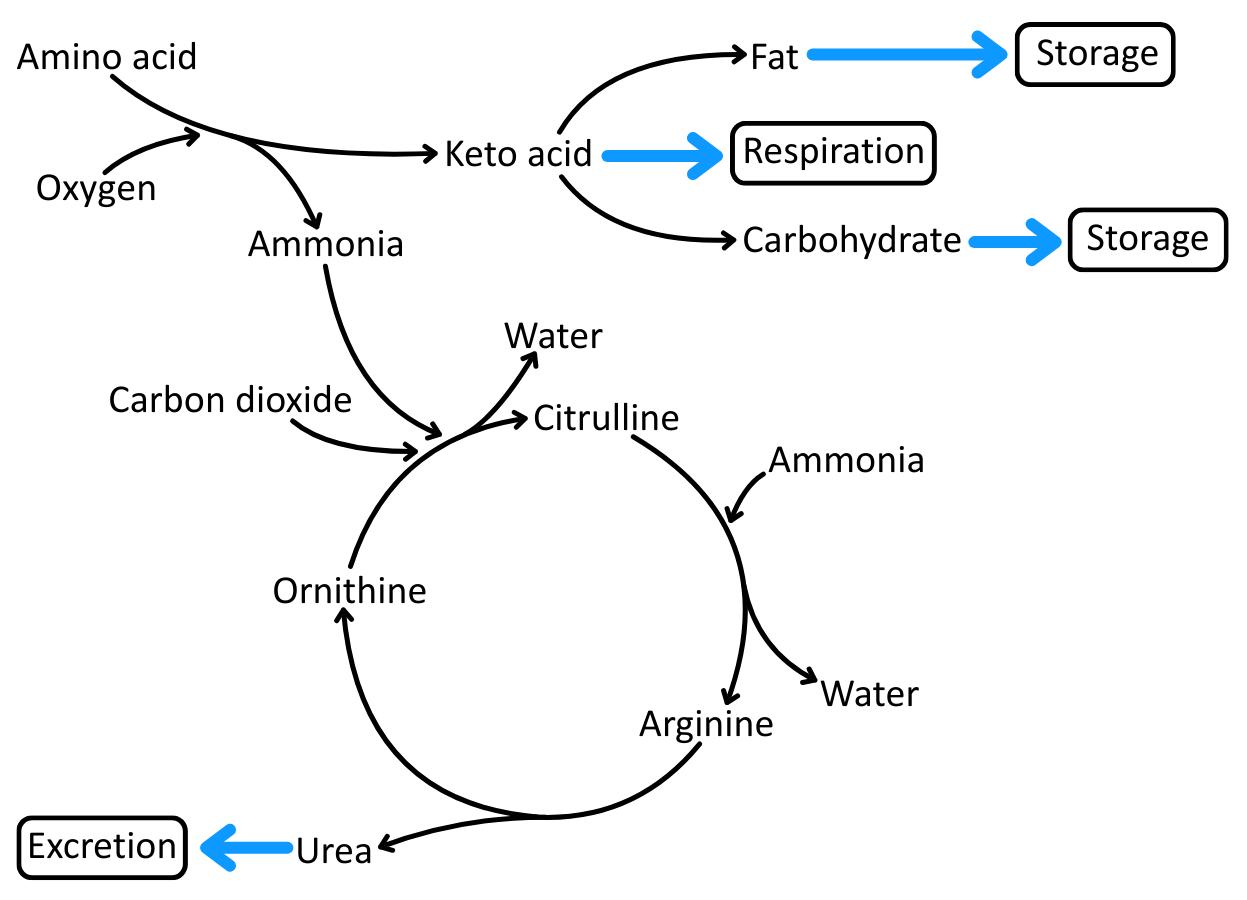
Ammonia is the main example studied in OCR A level biology, and is a highly toxic byproduct of the deamination of amino acids.
The liver converts ammonia into urea – a less toxic and more easily excreted substance – in the ornithine cycle.
The ornithine cycle is a cyclical enzyme-driven reaction that occurs within individual hepatocytes (liver cells).
You are not expected to know the details of the ornithine cycle, but you are expected to understand it.
The diagram below shows the ornithine cycle in hepatocytes: